💎 Hidden gems remaining: 5
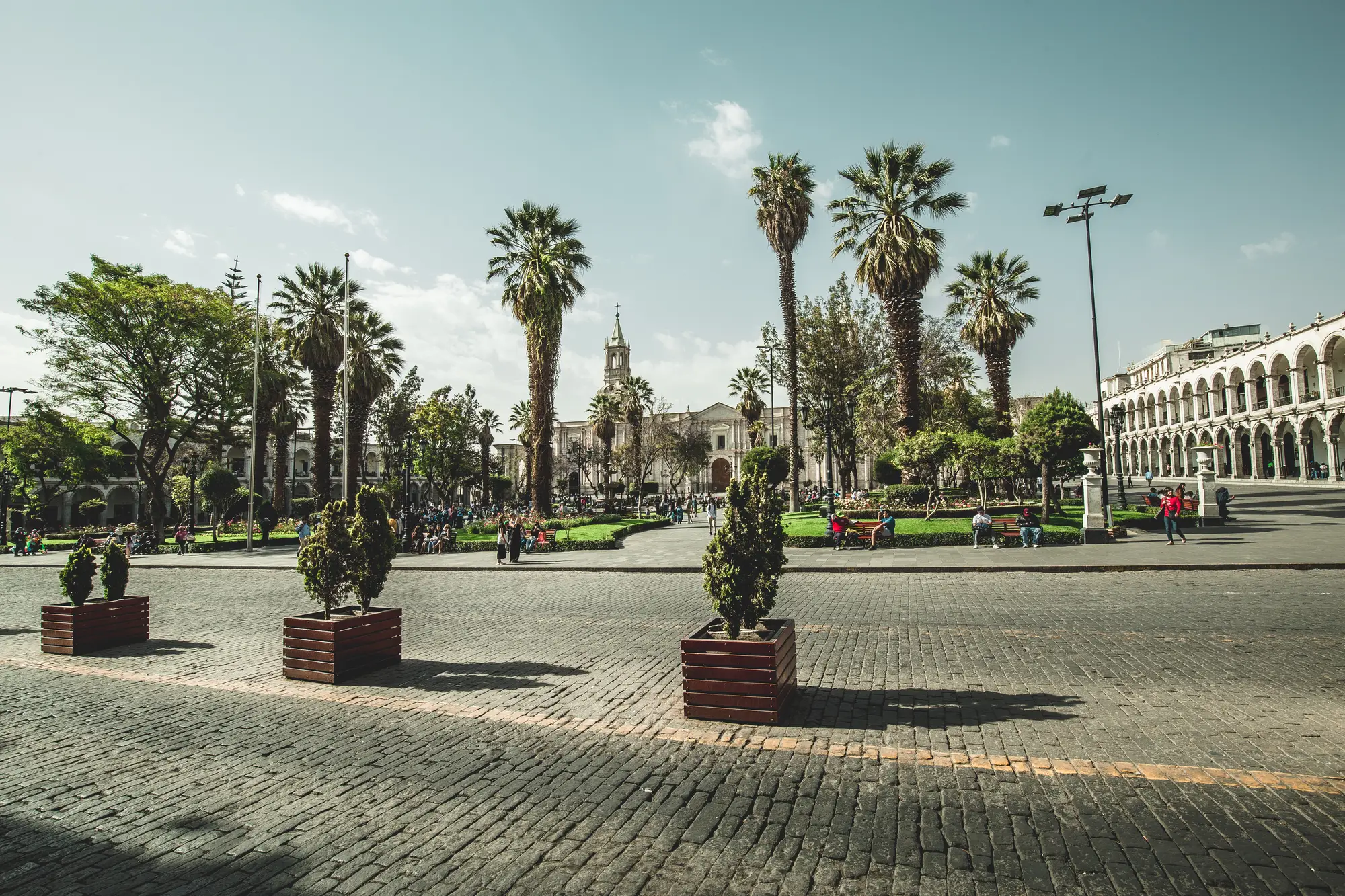
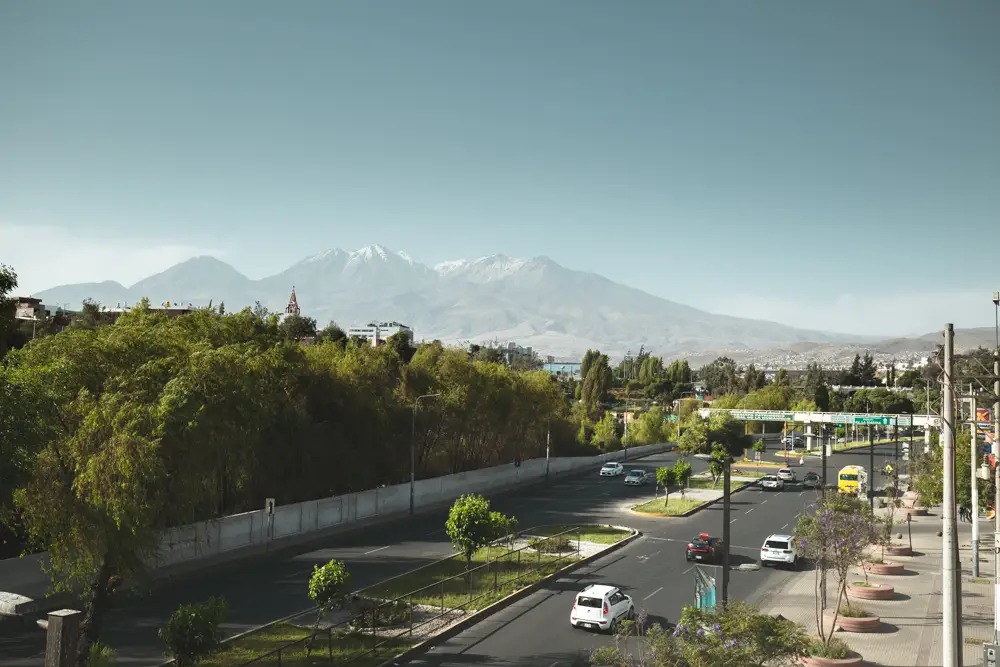
What once used to be a city with only 5 streets, is now a giant city with a lovely touristic neighbourhood. Elevated more than 2400 m above the sea level and surrounded by three volcanoes, one of them still active, it is a special gem of Peru.
Like other parts of Peru, Arequipa was affected by numerous earthquakes. Most of the city was in serious dire of rebuild. The white volcanic rock, called sillar, was used, giving the city the distinct white look after which it is known as White city.
Even before Inca time, trade routes were important in Peru. Due to diverse terrain, journeys were long and exhausting. When Spanish arrived, they were no match for such a venture. Arequipa was formed as a camp to rest their legs, trade the goods, and pray to the gods. It is rumoured that the name originates form the answer of the local to the travellers asking if they could rest here, saying Arequipa. That meant yes in their language.
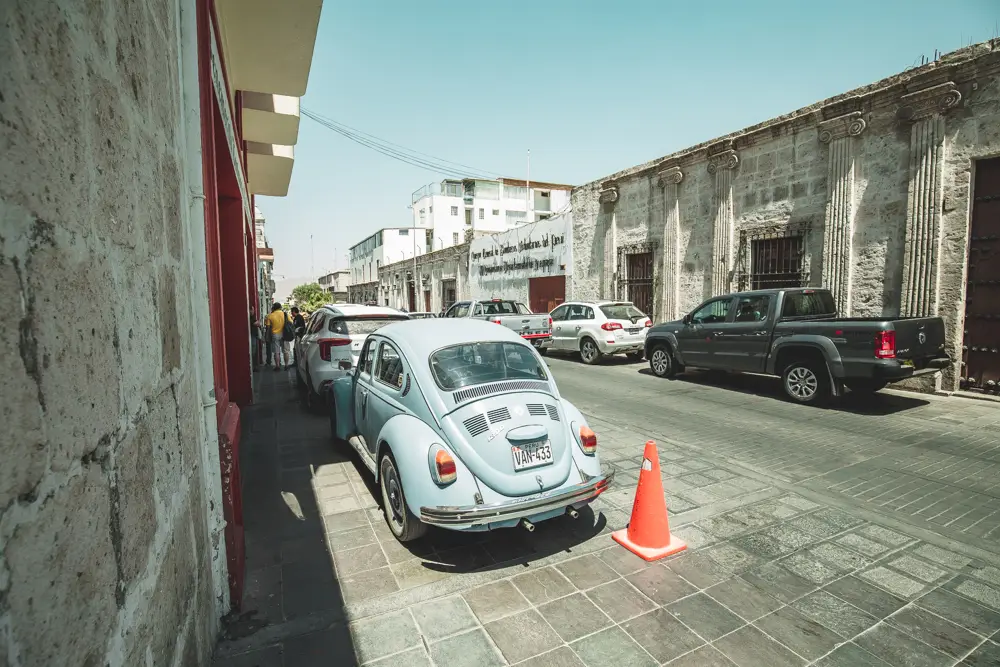
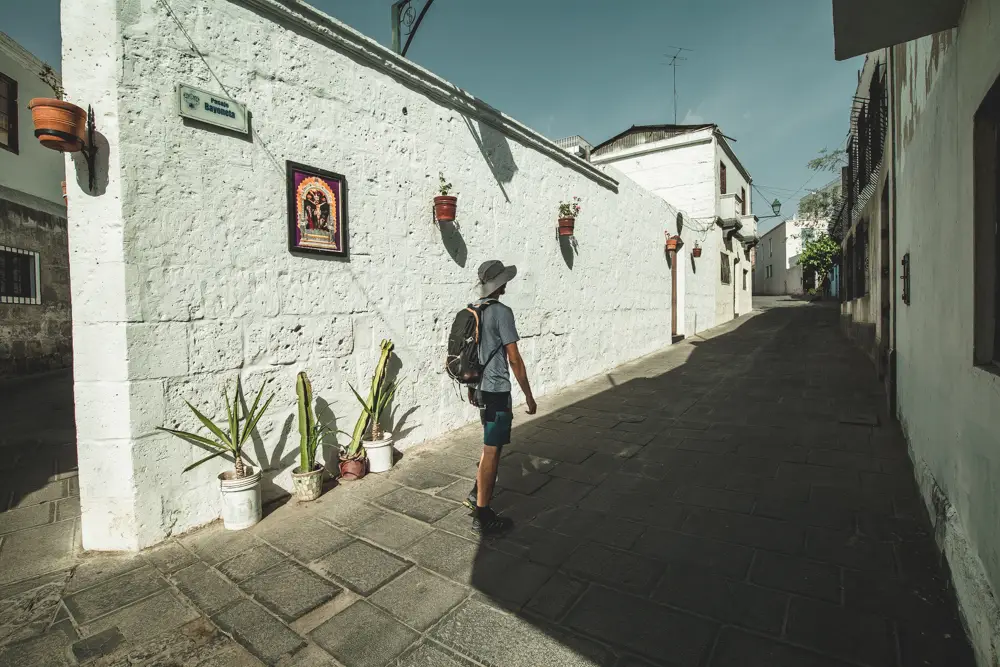
Had we known how much we would learn on this tour, we would have taken it the day we arrived. Not really, as we still needed acclimatisation to the altitude, but the first thing after. There are numerous providers of free walking tours and most of them will show you the same things. Why should you do it? The guide will enlighten you with the vibrant history of the city and give you recommendation on what to do in your following days. As we took is just before departing the city, all we could do was to nod and say: Yes, we have seen that. And be happy that we did and not miss on it.

Exploring the city with a guide
Monastery of Santa Catalina should be an essential pin on your to-do map. It is a Unesco World Heritage Site that displays the life of nuns from Dominican Second Order. What made this monastery different from others was the fact that only rich girls with supportive parents were able to enroll. The place was built as an enclosed city with all the facilities known to this girls from the outside world to make their stay more pleasant. The museum easily consumes half of your day. And just so you know, there are still 39 nuns living in the visitor-separated part of the monastery.
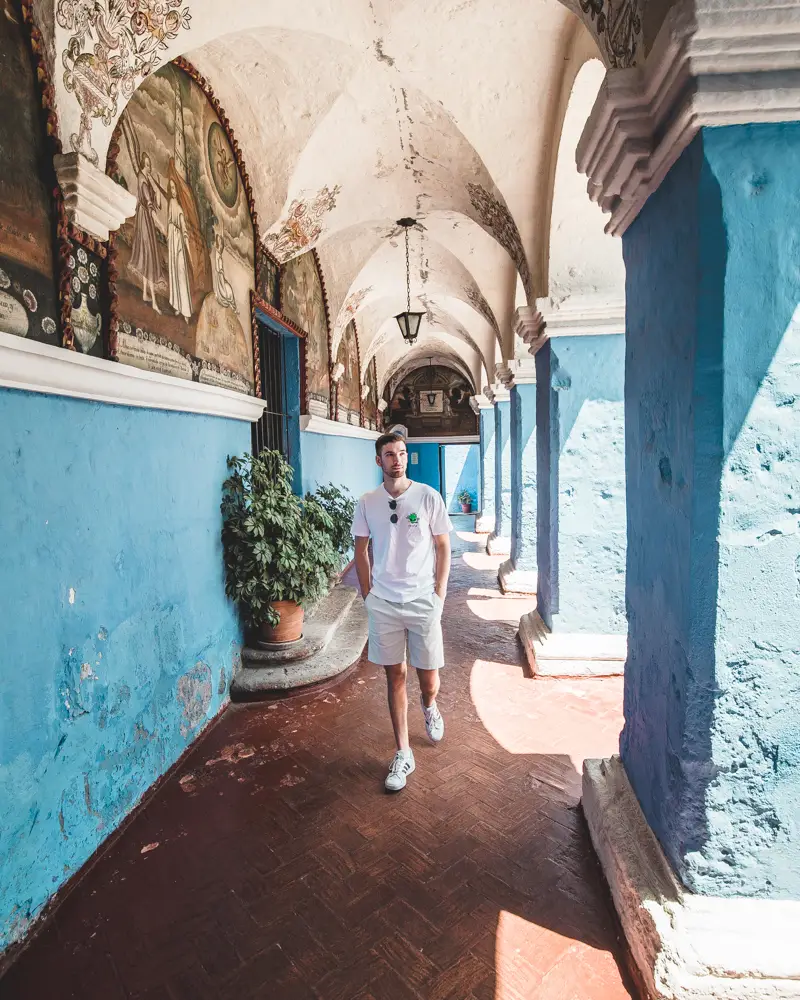
From lapis lazuli colored walls ...
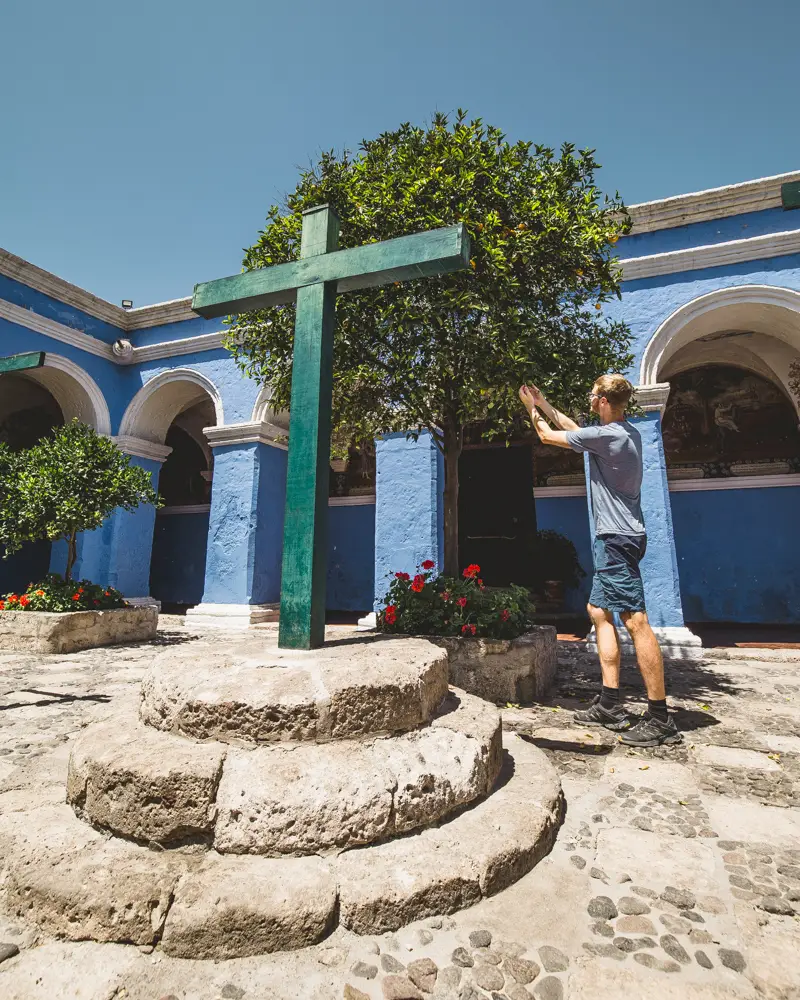
... to beautiful and spacious gardens ...

... and bloody red pillars
But there still remains the unsolved mystery of the 100 black kitchens. Black kitchen is a small room with fireplace and a chimney. Despite smoke exiting through the chimney, black smoke residue still remains on the walls. It looks like every nun chamber had its own black kitchen. Some of them barely used. But why? We do not know. Additionally, there is even a communal black kitchen.
Peru is widely known for the largest amount of alpacas. Cousins of llamas, alpacas reside on Peruvian Altiplano (over 4000 m above sea level), where everchanging temperatures are combatted with their unique fur. Locals shear their wool to convert it into vibrant, cosy and warm clothes or accessories. The Mundo Alpaca is the biggest company on Peruvian soil that deals in this precious and traditional business. To educate on the topic and importance of synergy with indiginous tribes of Andes, they offer a free entrance to their open air museum. Not only is it informative, you can see alpacas, feel fibers at different stages of production and even observe master weavers. But bring big bucks if you plan to buy products in their store. Even after discounts it will cost you greatly.
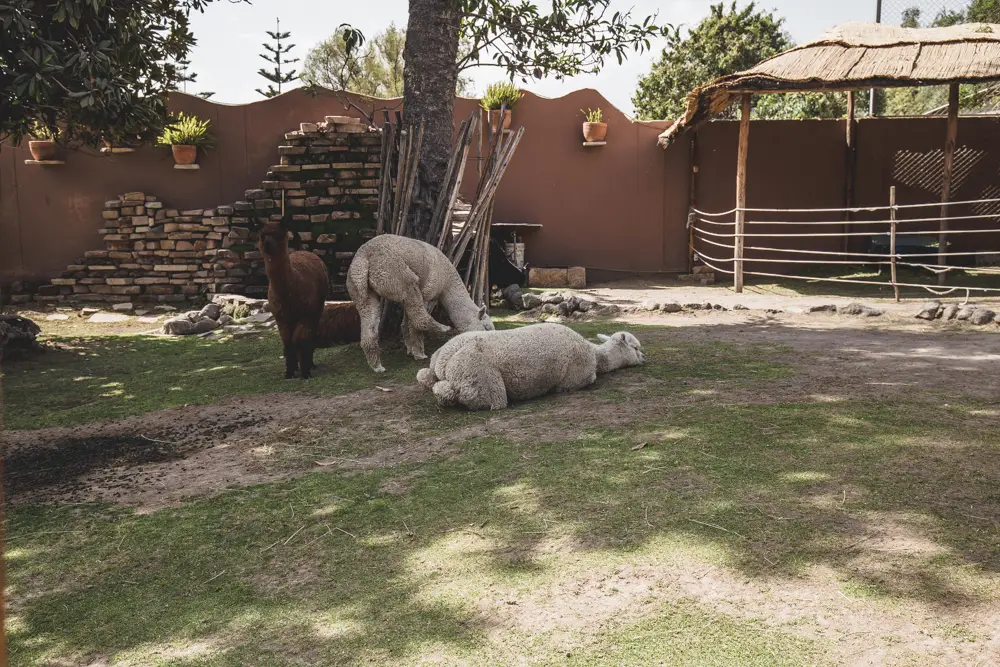
Alpacas
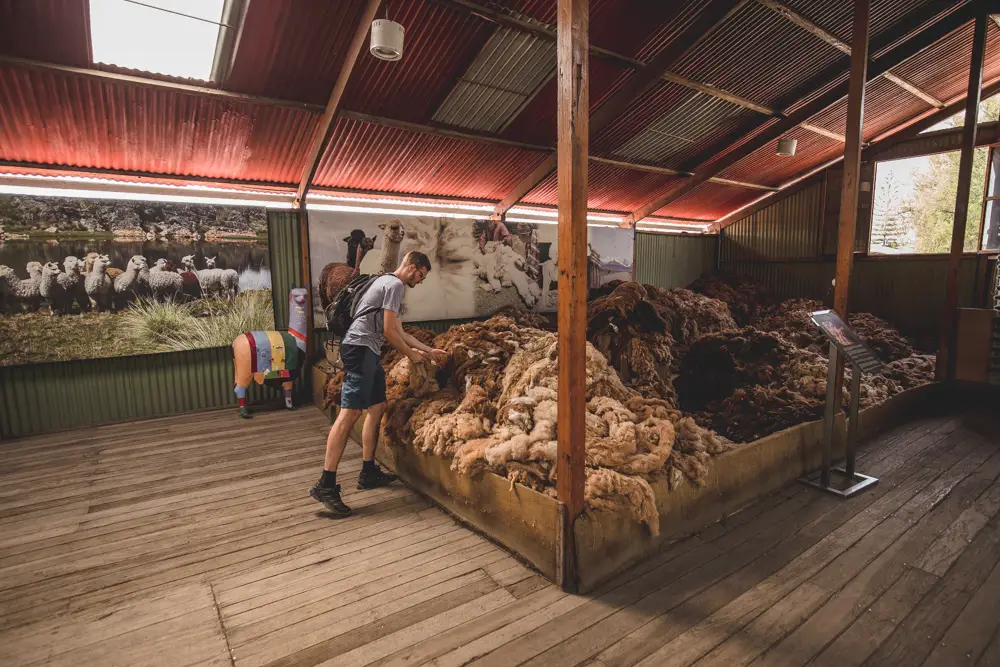
Alpaca wool storage
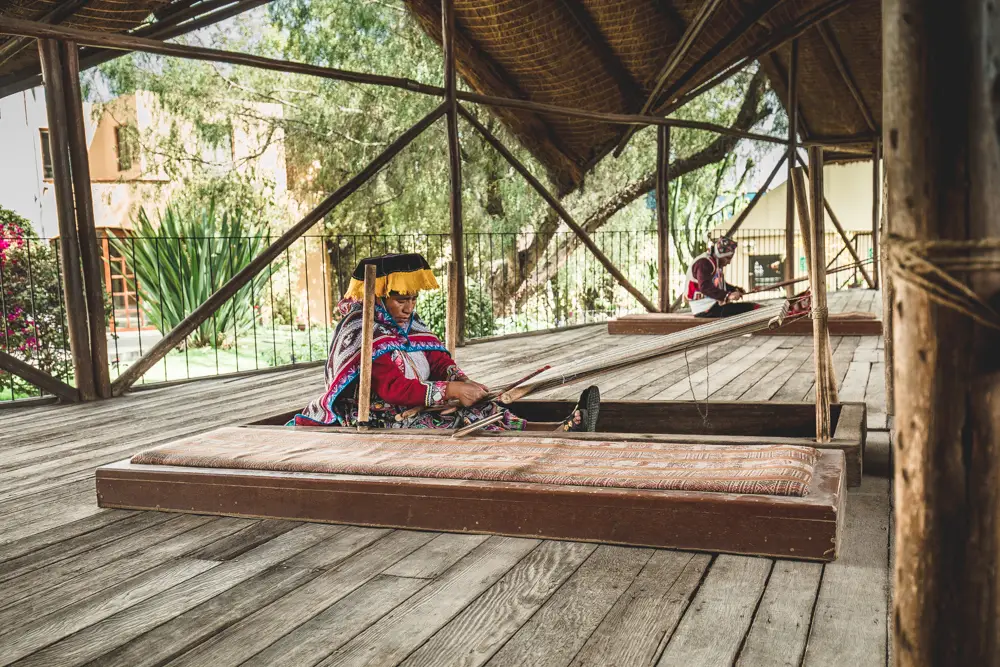
Master Andean weaver
Fancy a fresh organic fruit juice? Or maybe you are hungry? Ou, you just need coca leaves? The San Camilio market has you covered. In a majestic hall, there are numerous stalls of various vendors, selling just about anything yout heart desires.
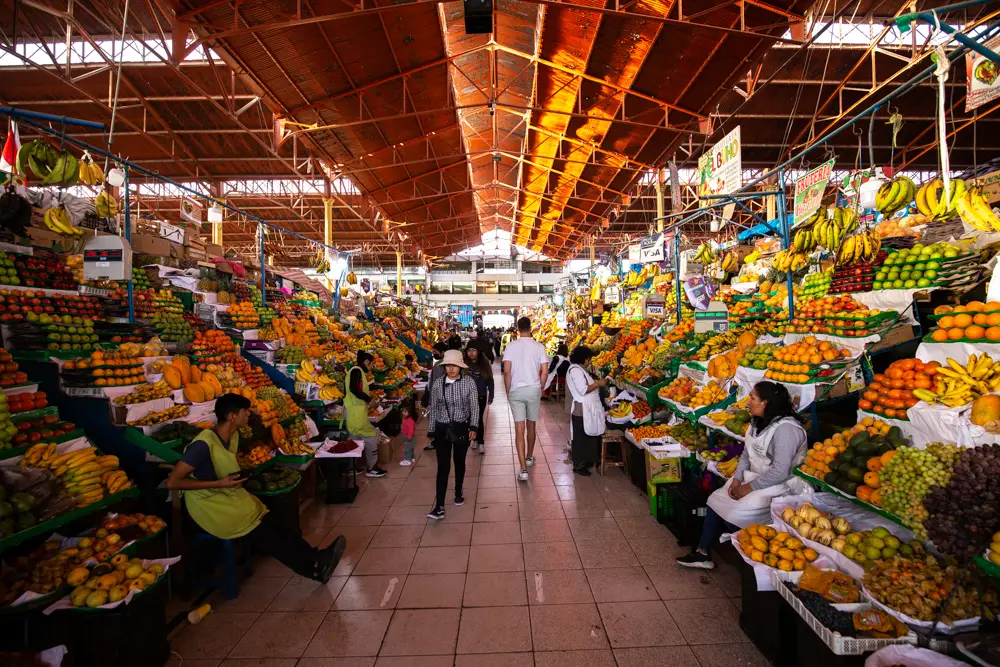
Do not forget to try some exotic fruit! Cherimoya, for example. ¿Cómo se come?
Just across the river Rio Chili, bleed on the bridge. No, don't actually do that, but as though it is your choice? In the meantime, enjoy the gasping view of the Misti volcano.
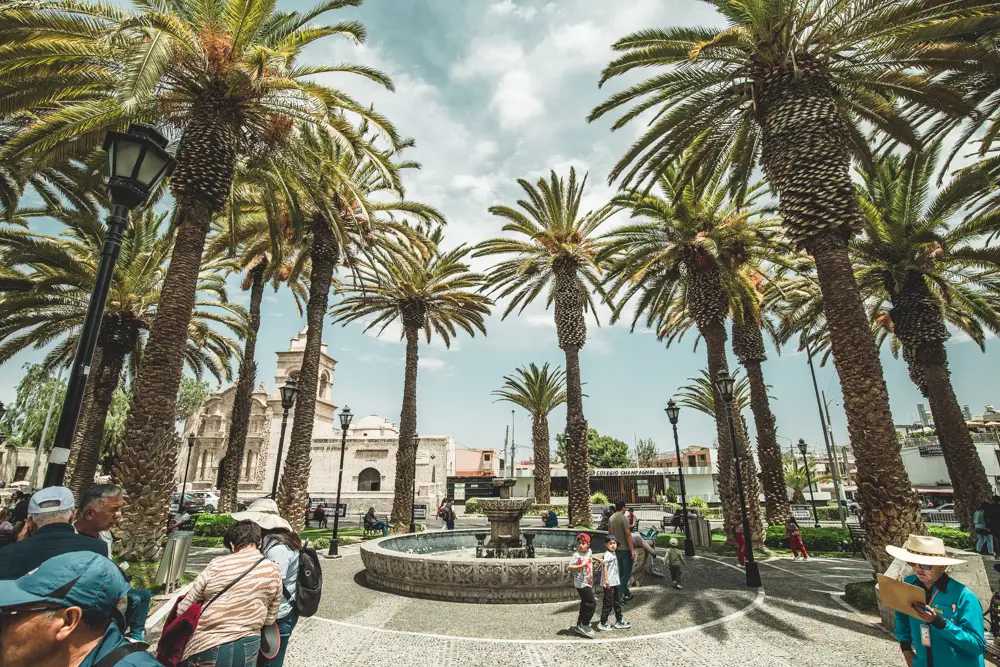
Walking through the Park Bolognese, direct your view down by the riverside. You will find infinity footbal fields and stadiums, all populated by seniors playing football.At the top of the hill, you will find a viewpoint full of palms called Plaza de Yanahuara. I wonder who planted them here 🤔.
Along the way, stop at a picanteria. Being bars in the past, they added some food to the menu to bring the rich and encourage social gathering, becoming picanterias.
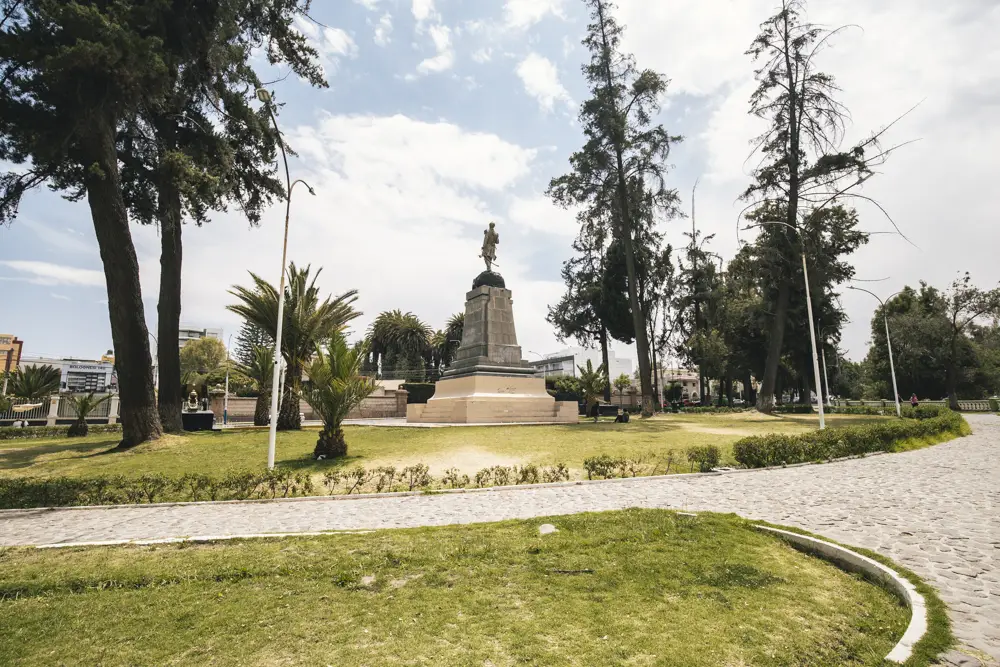
Park de Bollognese
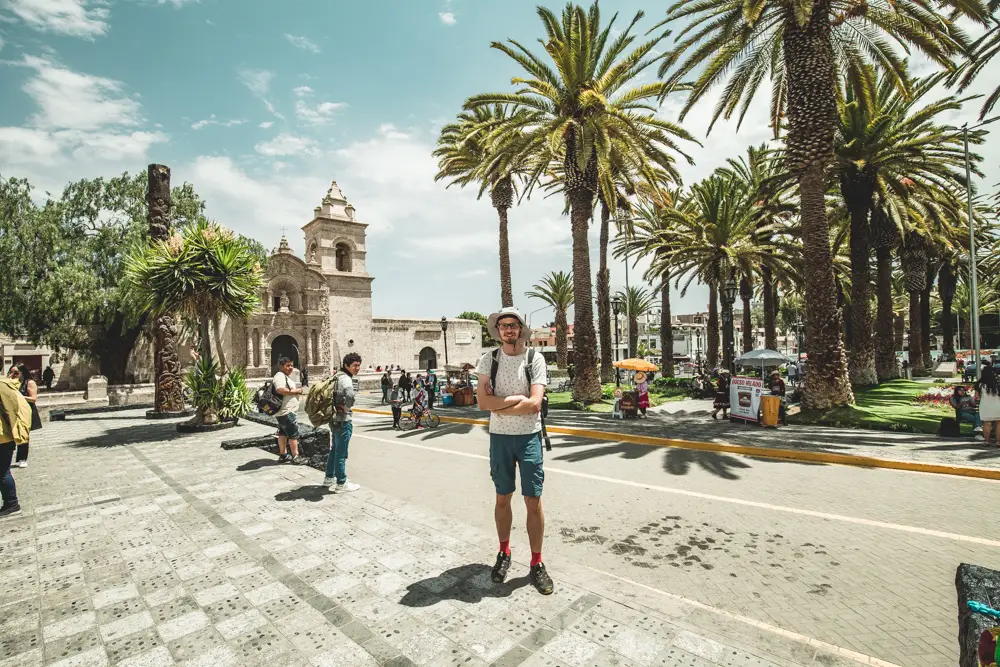
Yanahuara scenic overlook
And a park in the background

Adobo on top, Americano on the bottom
Not only recommending you, we also ate in picanterias ourselves. We tried two different dishes along with a typical non-alcoholic drink Chicha morada. Made of purple corn and pineapple, it is a refreshing drink with a distinct taste which Marko describes as sweet and bitter, but Žan as sweet. The corn gives it the purple colour. The first dish was adobo – a soup with a beef steak that can best be compared with golaž in Slovenia. Žan, on the other hand, tried Americano. Plate with mixed meat and various side dishes. No wonder they call it Americano.